
How I Increased engagement 50% and 2.3X free-to-paid conversion through dashboard growth experiments
Role:
Lead Product Designer
Launched:
2022
Background
Redesigning Openfit’s highest-traffic surface to improve activation, retention, and conversion
Openfit is an all-in-one destination for fitness, nutrition, and wellness. The dashboard is the most frequently visited surface in the product and plays a critical role in activation, habit formation, and downstream monetization.
Despite strong acquisition, users struggled to build consistent workout routines. Engagement dropped after the first month, limiting retention and free-to-paid conversion.
I led a growth-focused redesign of the dashboard to reduce friction, personalize motivation, and reinforce habit loops, using experimentation and A/B testing to validate impact.
My Role:
I owned growth strategy, experiment design, UX, and rollout for the dashboard, partnering with Product, Data, and Engineering.
Guardrails:
We monitored cancellations/refunds, support contacts, and workout completion to ensure conversion gains didn’t come from degraded user trust.
Growth Context
Funnel Stage:
Activation → Engagement → Retention → Monetization
Primary KPI:
Free-to-paid conversion
Supporting Metrics:
Daily engagement, Month-1 & Month-2 retention, session depth
The dashboard represented one of the largest opportunities to improve LTV without increasing acquisition spend.
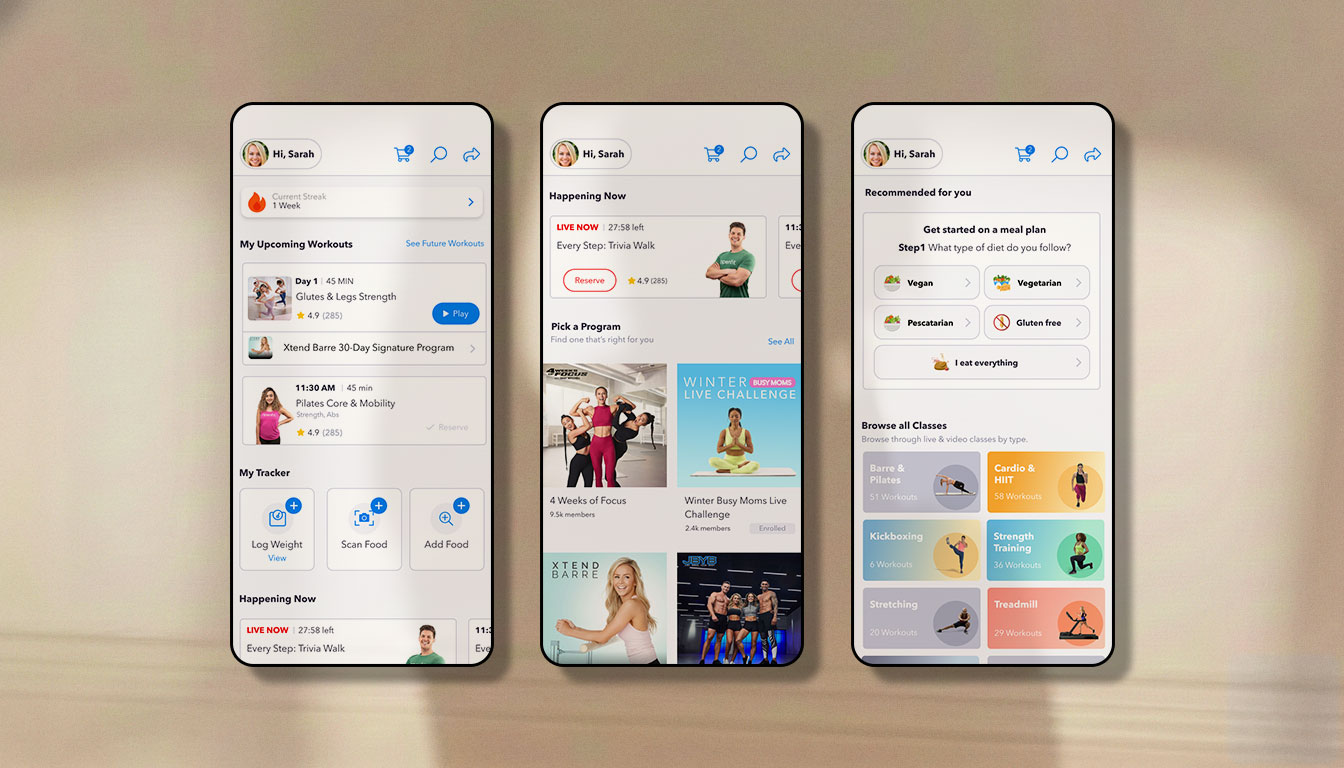
Control
Problem
The dashboard was a major leak in the retention and monetization funnel
User research and behavioral data revealed that users often felt overwhelmed when opening the app. The dashboard lacked clear guidance on what to do next, making it harder to build momentum and consistency.
Key issues included:
Too many content options without prioritization
Limited personalization based on user goals or history
Little reinforcement of progress or habit formation
Growth risk: If users didn’t form a routine early, they were unlikely to convert to paid or remain long-term.
49.5%
Engaged users on month 1
18.1%
Engaged users on month 2
Low-lift tests (high impact)
Goal
Increase activation and retention to unlock higher conversion
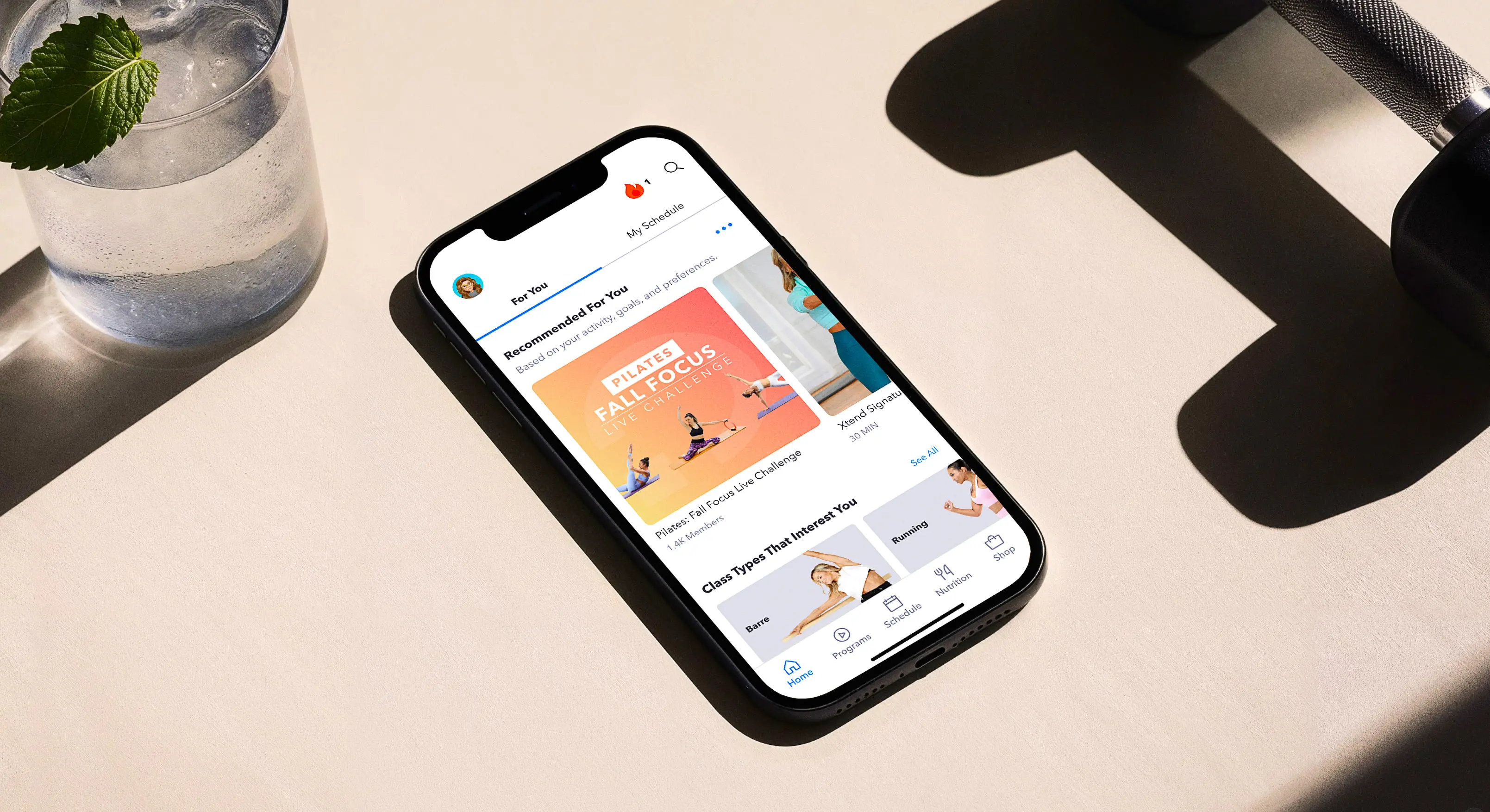
We redesigned the dashboard to:
Make the next action obvious
Build consistency early in the lifecycle
Improve downstream free-to-paid conversion
Exploring redesign concepts
Strategy
Reduce friction. Increase motivation. Reinforce habits.
We focused on three levers:
Clarity
Make “what to do next” instantly obvious.
Personalization
Tailor content to user goals and behavior.
Habit reinforcement
Show progress and streaks to strengthen consistency.
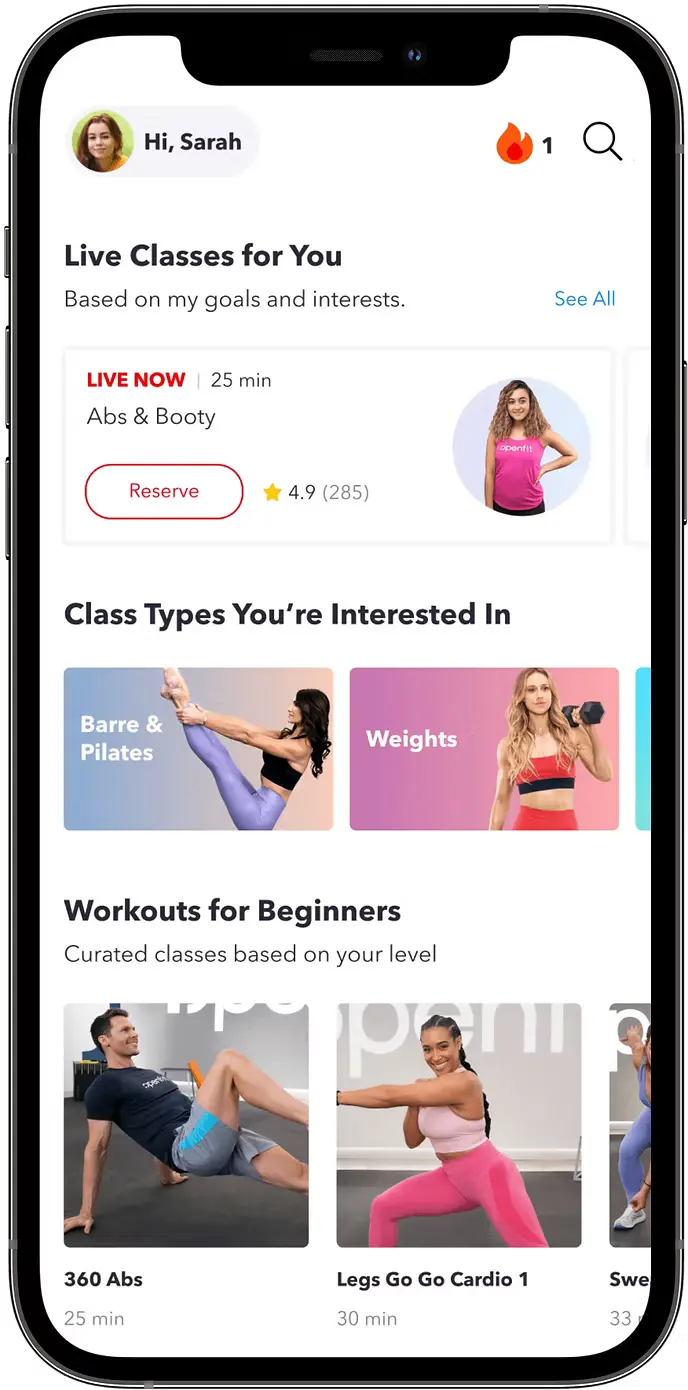
Experiment 1
Personalized recommendations
Hypothesis:
If the dashboard recommends workouts based on goals and behavior, users will return more often and go deeper per session.
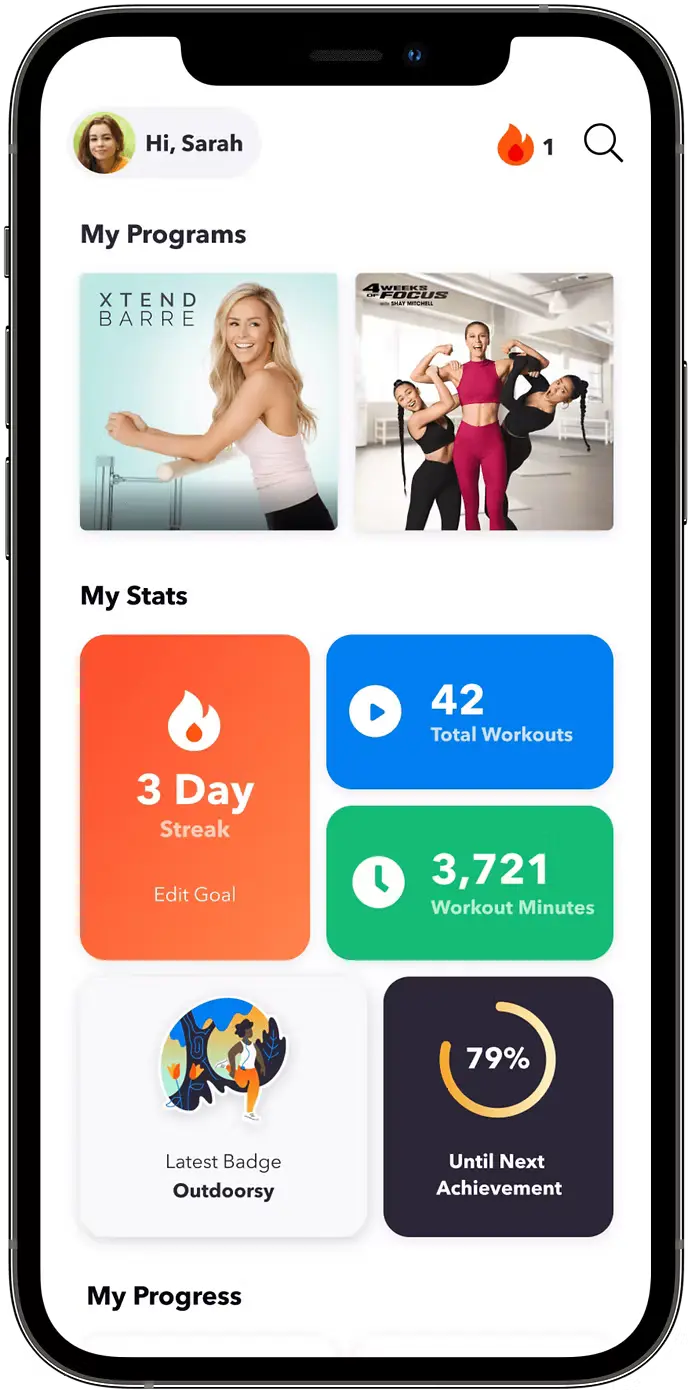
Experiment 2
Progress + habit visibility
Hypothesis:
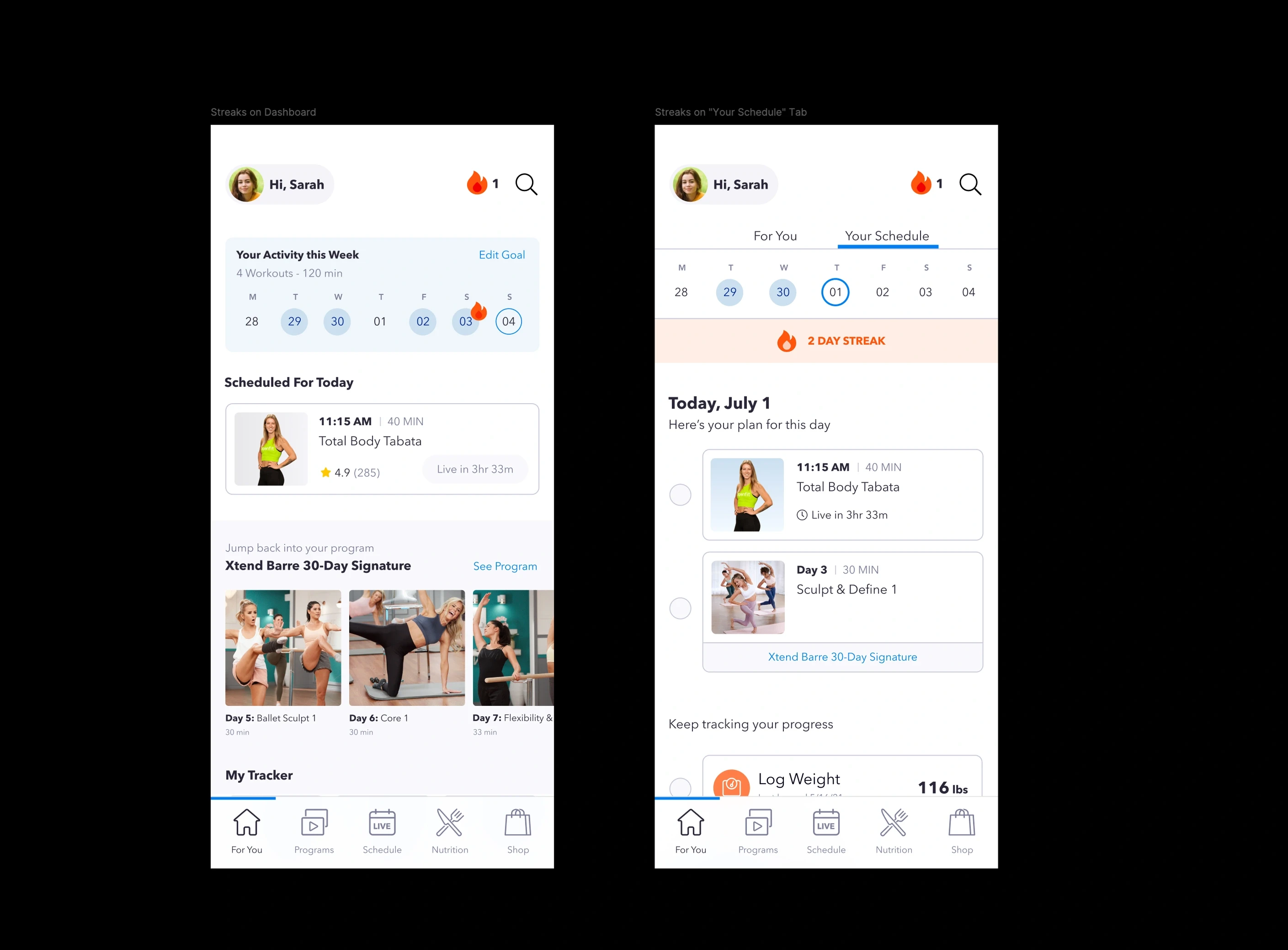
If users can see progress and streaks at a glance, they’ll maintain routines longer and return more frequently.
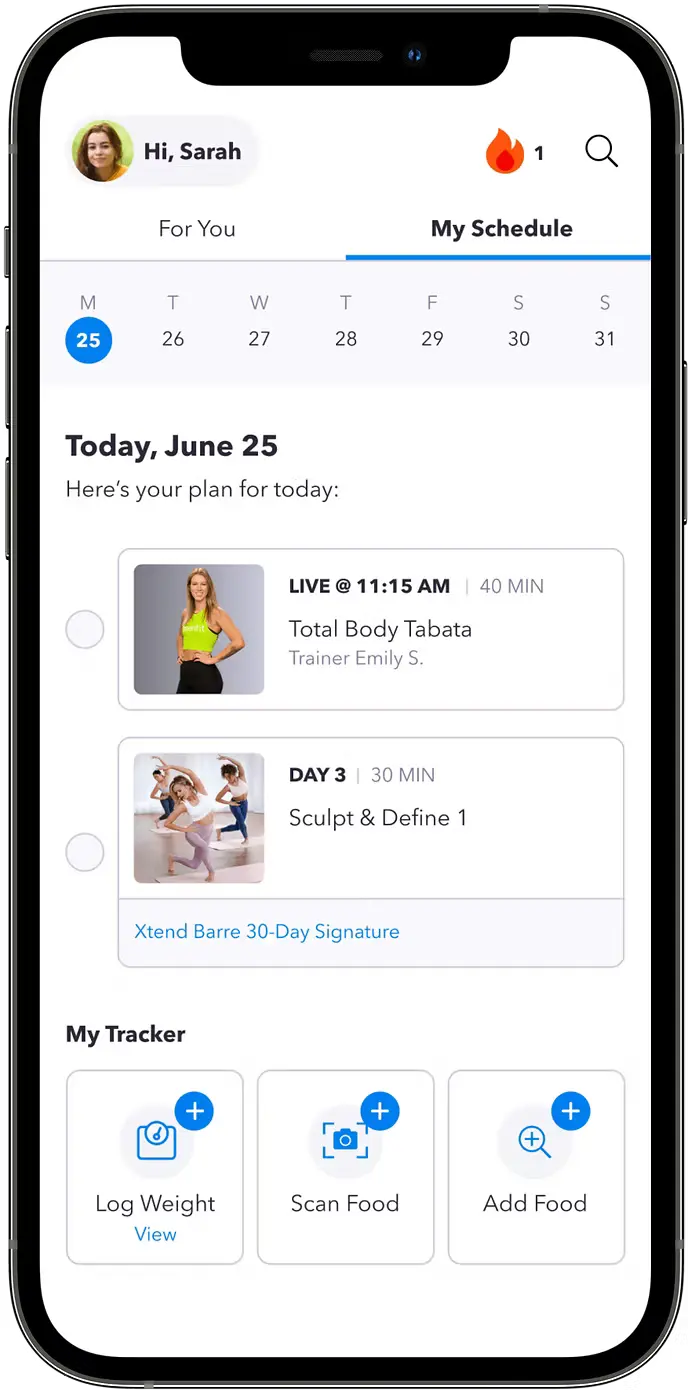
Experiment 3
Program-first guidance
Hypothesis:
If we guide users into structured programs instead of open browsing, activation and conversion will increase.
Constraints & Trade-offs
Designing for Impact on a High-Risk, High-Traffic Surface
Balanced speed vs statistical confidence in testing
Optimized for safe, incremental experiments due to high surface risk
Limited personalization to reduce cognitive overload
Chose behavior change over feature expansion
Prioritized conversion over vanity engagement metrics
Design & Experimentation
Rapid testing on the highest-traffic surface
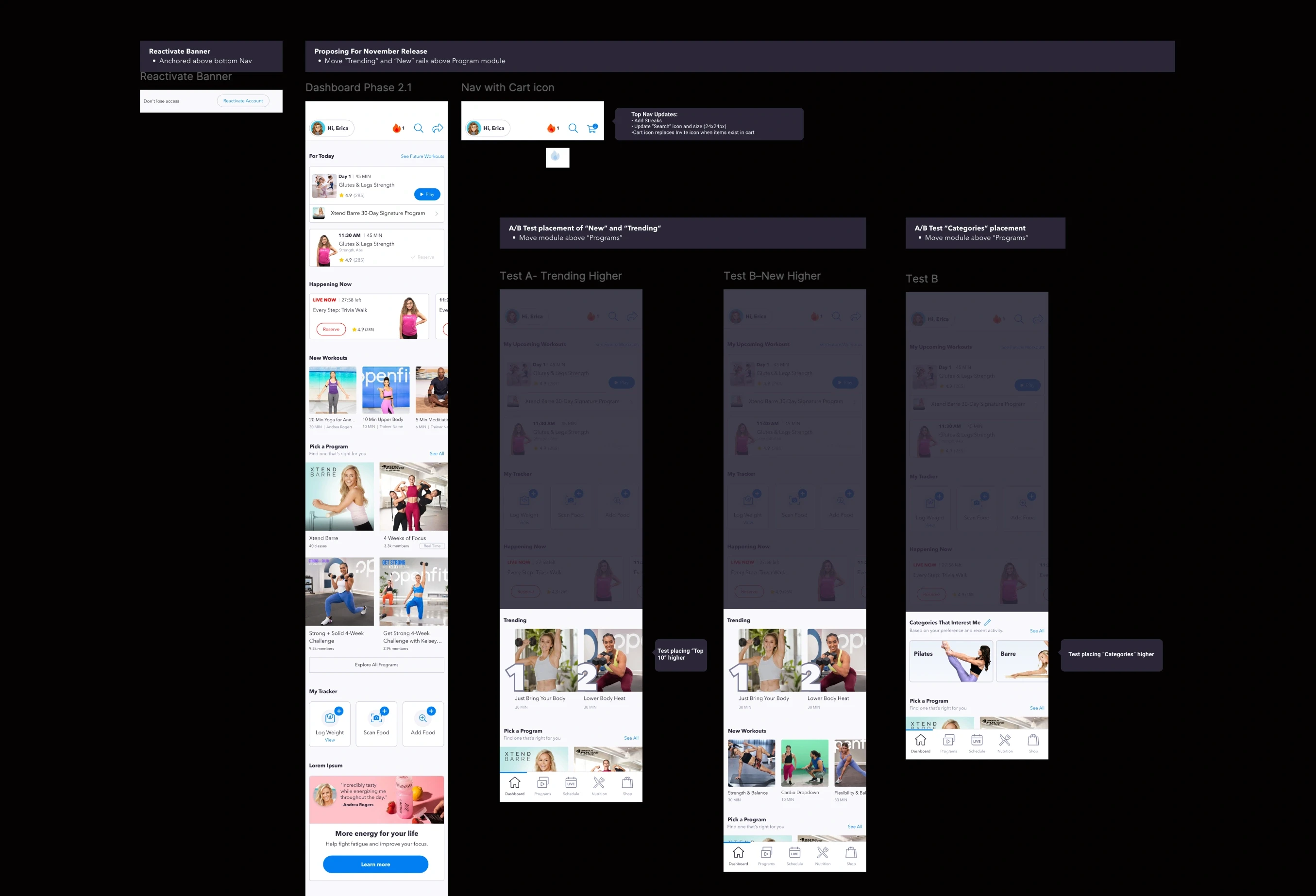
Each concept mapped to a funnel drop-off. Each test had a single success metric. We ran A/B tests against the existing dashboard. We avoided net-new features. The work was mostly sequencing, prioritization, and removing friction.
What we tested:
Personalized workout modules
Habit-tracking and progress indicators
Program-first layouts vs browsing-heavy layouts
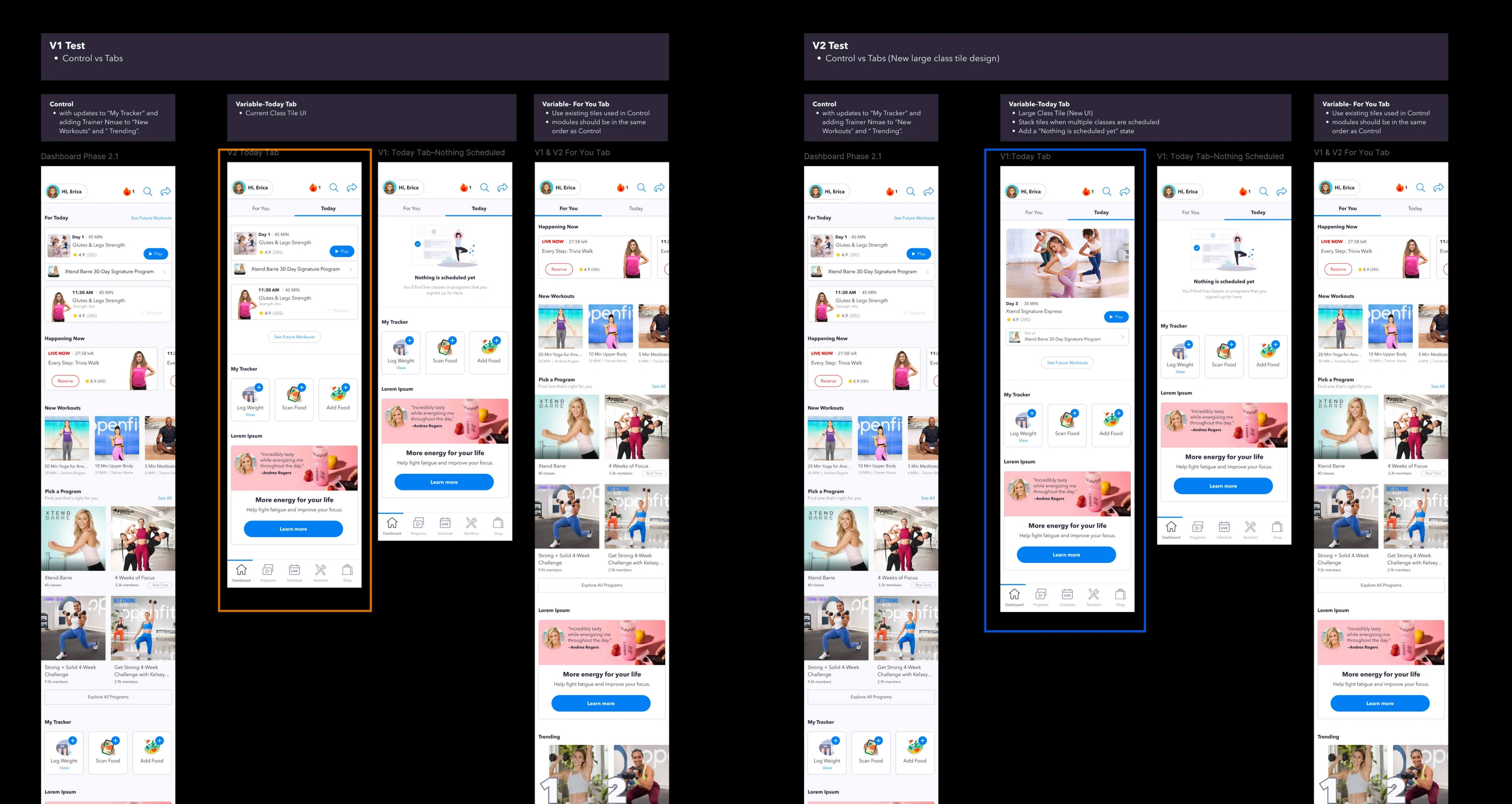
V1 Launch: Conversion rate of 2.7%, below baseline but with promising user engagement metrics
V2 Launch: Conversion rate improved to 2.9% by introducing new design for class tiles and splitting content into 2 tabs.
Snapshot of V1 and V2 tests
Testing & Validation
A/B testing at scale
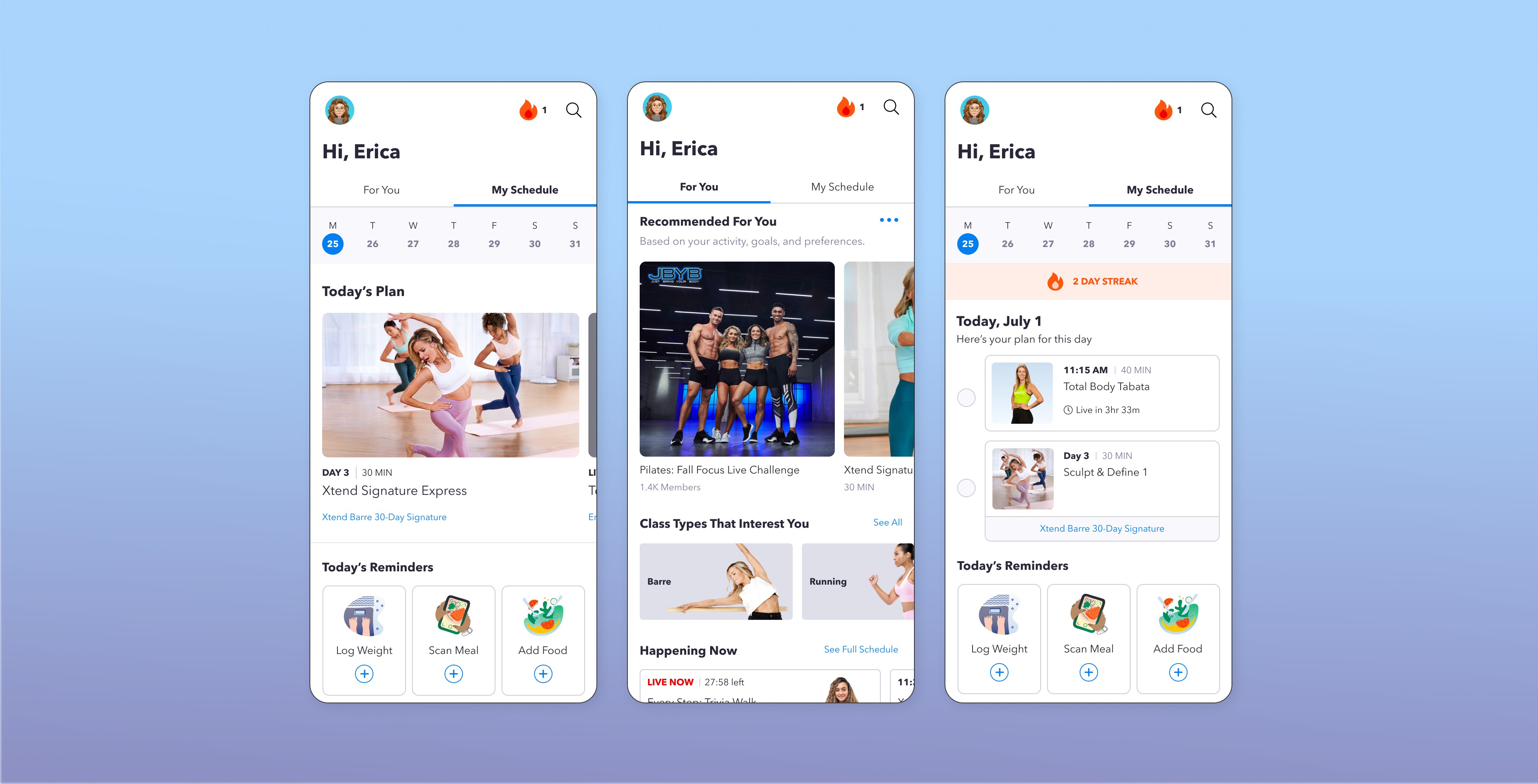
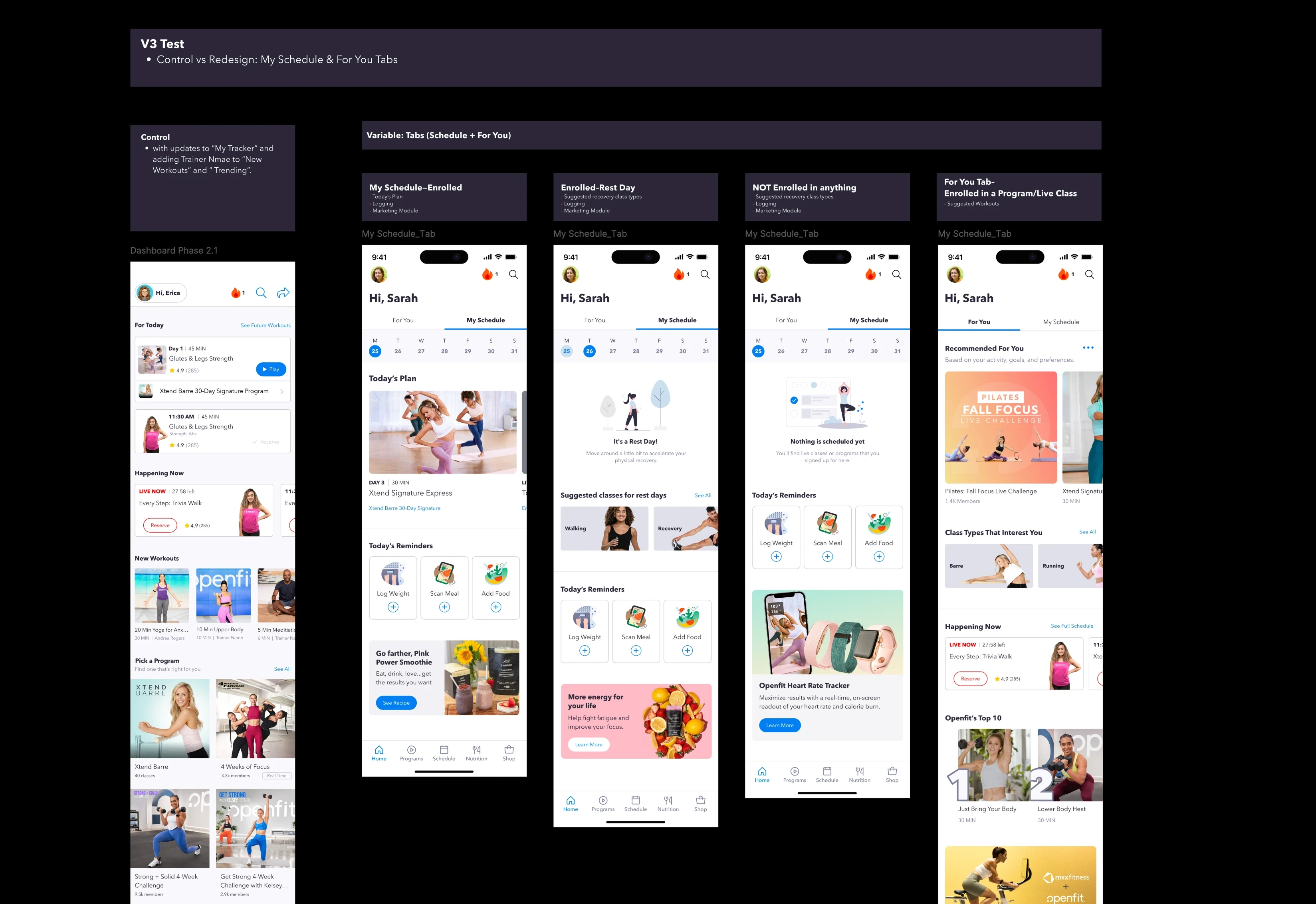
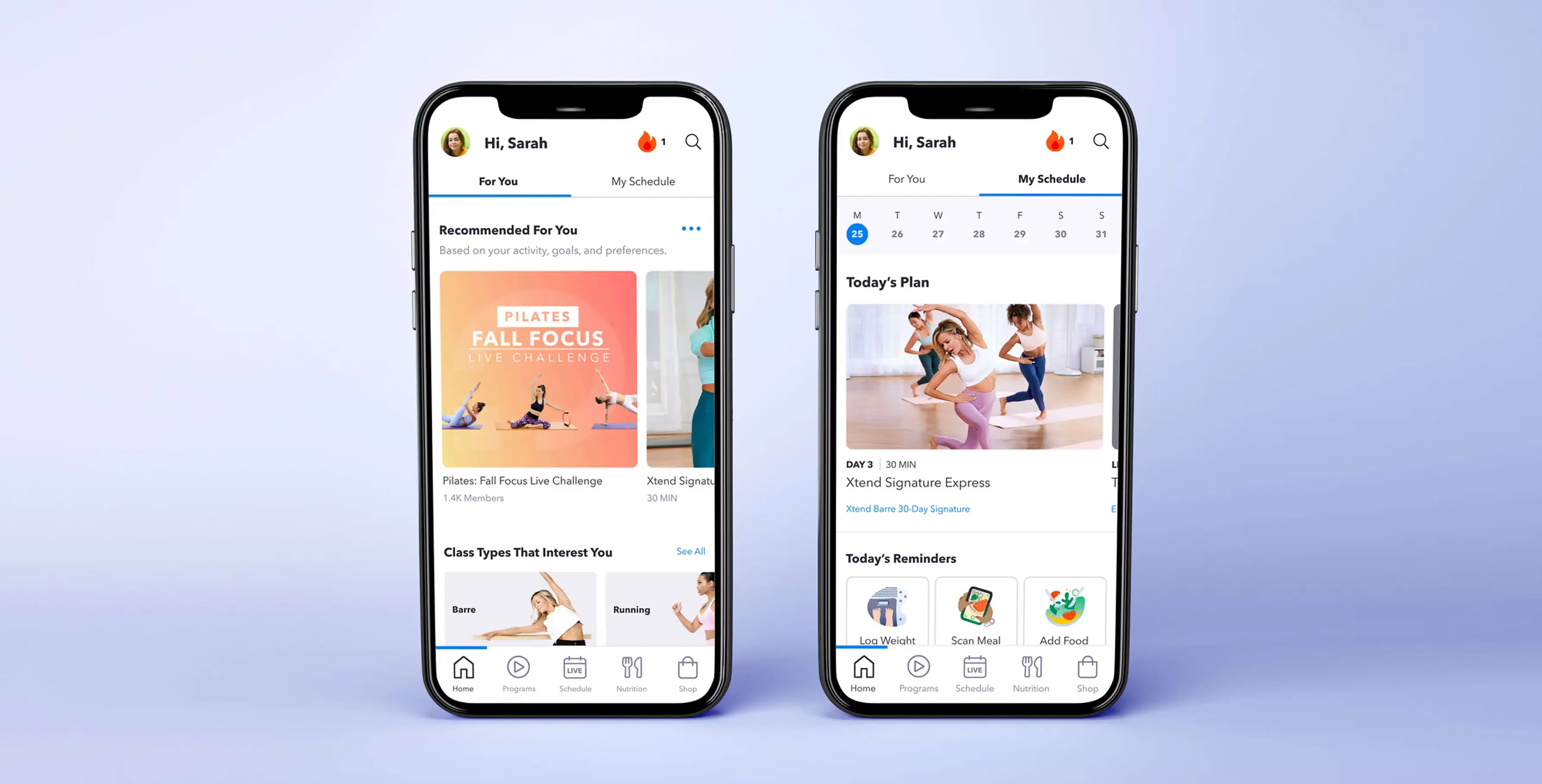
In V3, we tested a program-first dashboard that surfaced a full workout schedule at enrollment, including a clear task for the day and visibility into upcoming sessions. This winning variant drove statistically significant improvements across engagement and free-to-paid conversion, reinforcing the value of guided, structured experiences over open browsing.
We measured:
Daily engagement
Session depth
Cohort retention
Free-to-paid conversion
Snapshot of V3 test
Results
A measurable lift across the funnel.
Reducing decision friction and guiding users into structured programs moved conversion more than adding more content choices.
The winning dashboard variant delivered:
+ 50%
Increase in daily engagement
+ 18%
Increase in Month-1 engagement
+ 22%
Increase in Month-2 engagement
2.3X
Lift in free-to-paid conversion
Winning variant
Learnings
Key takeaways from the work
Users who formed a habit early were far more likely to stick around and convert. Clarifying the next action removed friction and increased repeat engagement, and structured programs consistently outperformed browsing when it came to paid conversion. The biggest gains came from simplifying what already existed, not adding more to the product.
Exploring workout streak concepts on the dashboard
What I’d Test Next
Future growth opportunities
Re-activation experiments for churn-risk users
Lifecycle nudges tied to habit streaks
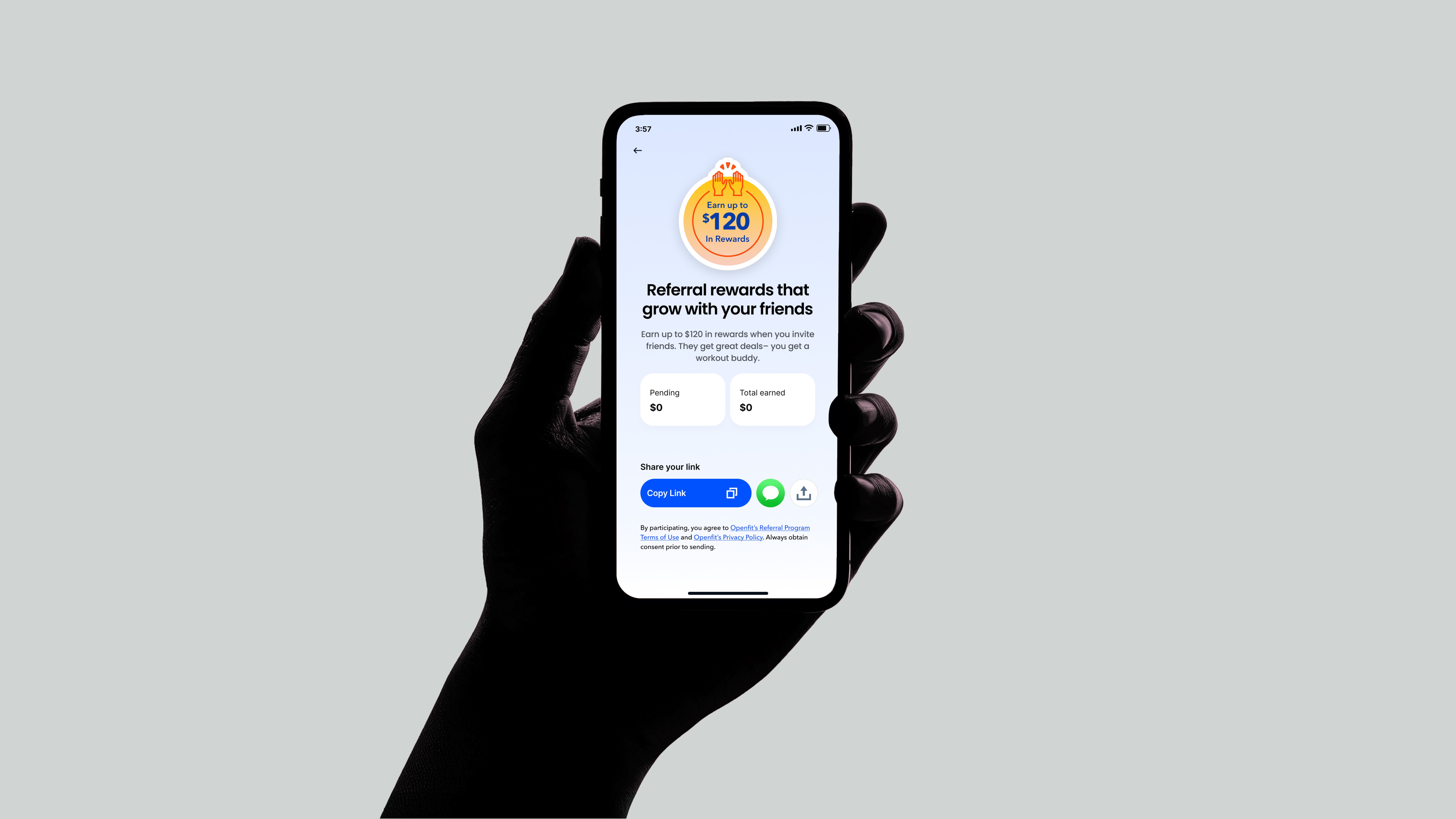
Referral loops driven by program completion
Monetization experiments around program upsell timing
Referral Rewards
Redesigning Openfit's referral experience that unlocked a 4.6% increase in referred user growth.
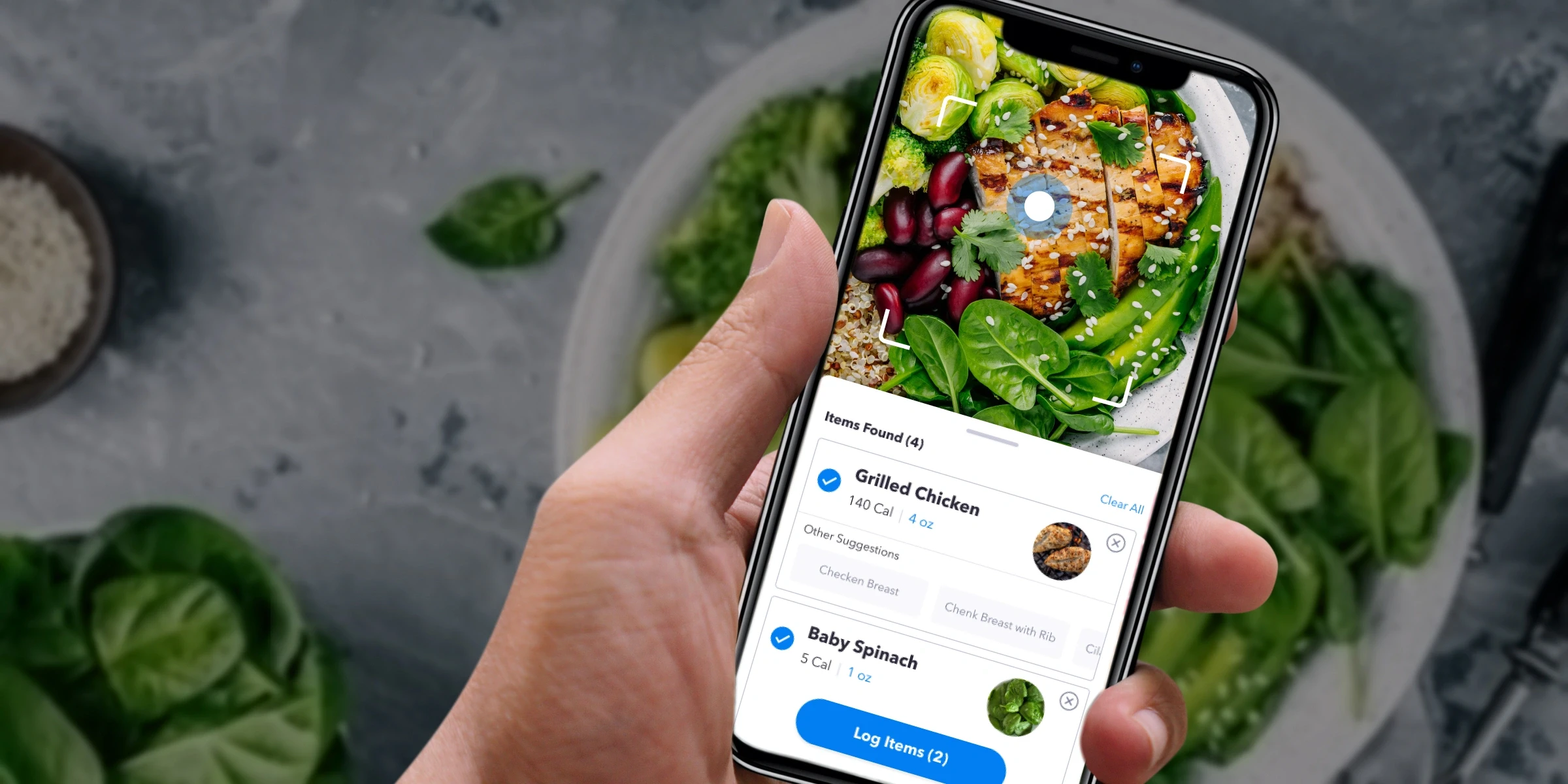
Meal Scanner
Unlocking 33% Engagement Growth and 12% Free-to-Paid Conversion with AI-Powered Meal Scanning
Coming Soon: Ladder.sport
Maximize growth for a sports nutrition brand founded by LeBron James and Arnold Schwarzenegger.